Moving a Business from Russia to Spain: Company Setup, Residence Permits and Realistic Timing
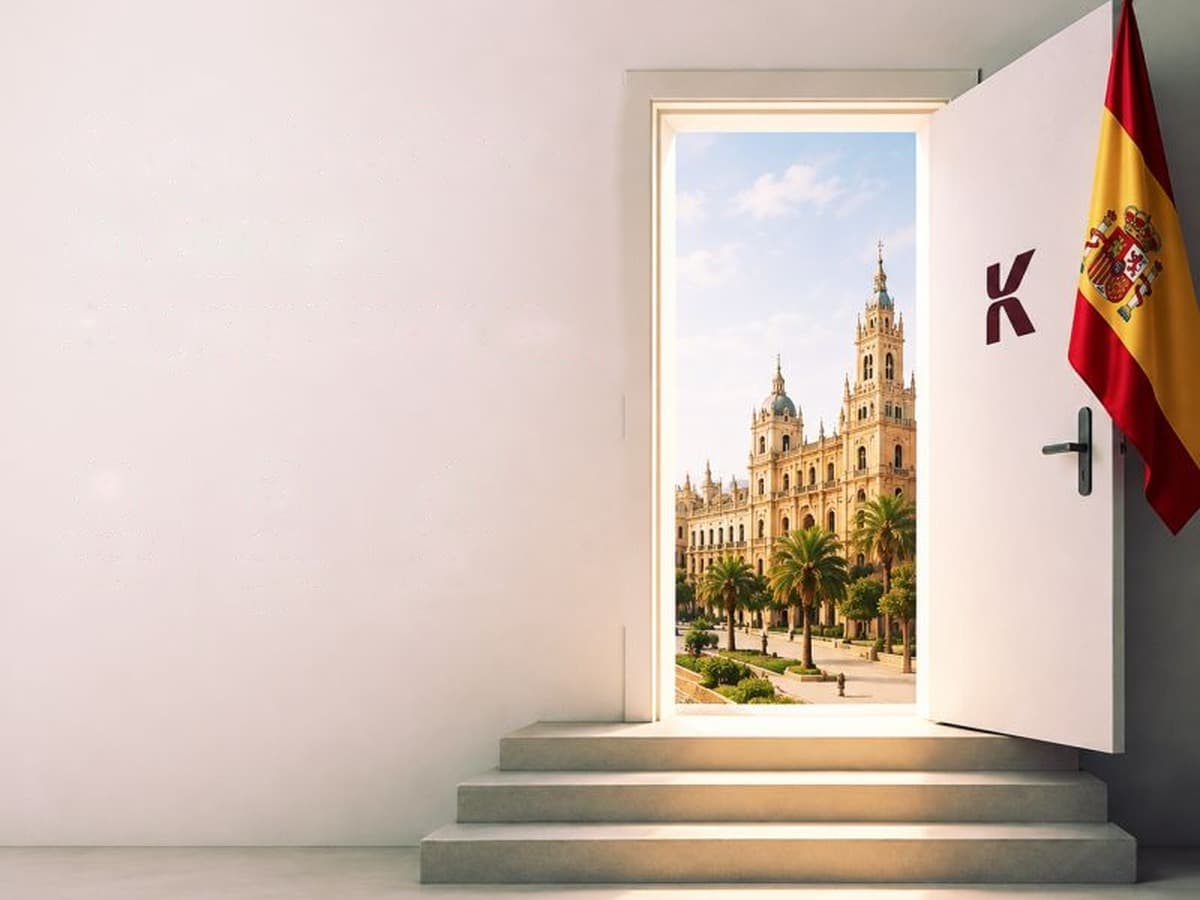
Can you actually move a business from Russia to Spain, legally, and open the door to international clients?
We get this question more and more often. The short answer is yes. And it is clearer and faster than most people think.
Recently we put together a proposal for a client with exactly this request: relocate, get legal status, and move the business to Spain. Here is how it looks, plainly.
The company
Full setup: structure, notary, company register, bank account, tax numbers. Up to 2 months from payment, everything included. One person runs the whole process from the first call to the result.
Legal status
Here is what few people say out loud: most Spanish residence permits can be applied for straight from Moscow, through the consulate. You do not need to "get in somehow" first. Different options suit different goals:
- come, settle in, look around, no work;
- run a business with clients outside Spain (Digital Nomad);
- work in the Spanish market (startup visa).
Timing, honestly
The documentation and immigration work that depends on us, we do fast. After that the pace is yours: how quickly you find and rent a flat, how quickly you move, how quickly you gather your personal documents. That part is about your readiness. So the full relocation takes longer than opening the company, and it is more honest to say that upfront than to promise "everything in one month."
Why so many entrepreneurs are stuck
A lot of entrepreneurs from Russia and the CIS are in waiting mode. Banks act up, payments freeze, clients in Europe ask for a "proper" legal entity. Behind all of it is one assumption: that moving a business is slow, painful and expensive.
In practice it is a clear project with a clear budget and predictable steps. The hard part is not the cost or the time. The hard part is that usually nobody runs the whole process end to end, so you are left running between a lawyer, a bank and an accountant, piecing the picture together yourself.
That part, we take on.